Sotogrande Is Down 4.54% on Paper. It’s Up 7.5%+ in Reality

Sotogrande property prices tell two very different stories depending on the source: officially, they’re down 4.54%. Three real, fully public transactions are enough on their own to flip that number into growth of at least 7.5%.
That “at least” matters. These three sales are simply the ones we can prove, because they’re public knowledge. Sotogrande is a market built on discretion, where company-held assets change ownership quietly and off-market deals rarely surface. There is no reason to believe these three are the only significant sales missing from the data — only that they’re the only ones we could verify.
That gap isn’t a data error. It’s a structural feature of how Spain measures property markets, and it hits nowhere harder than a market as thin and as private as Sotogrande.
Why Official Data Lags Behind a Market Like Sotogrande
Spain’s two official property data sources — the Registradores de España and the Consejo General del Notariado — both build their statistics from notarial deeds. A sale only enters the data the moment it’s signed in front of a notary, at legal completion.
For a resale property, that gap between agreement and notary is usually short. For an off-plan or new-build villa, it can run a year or more. Construction has to finish, paperwork has to clear, and only then does the deed sign before the notary.
There’s a second filter working alongside that lag. The Notariado’s own published methodology excludes any single-family villa priced above €15,000,000, or above €25,000 per square meter, from every average it calculates. The stated reason is statistical stability — protecting the average from being skewed by rare, extreme values.
Both rules make sense applied to the Spanish property market as a whole, which recorded 167,934 sales nationally in a single quarter this year. Applied to a market recording 196 sales in an entire year, the same two rules behave very differently.
Sotogrande Property Prices: The Official Numbers
Postcode 11310 recorded 196 sales over the trailing twelve months (May 2025 – May 2026), at an average price of €759,367, or €3,043 per square meter. Compare that to Cádiz province as a whole, which averaged just €1,964/m² over the same period — Sotogrande already trades at a 54.9% premium over its own province, official figures included.
Against that backdrop, the annual change for Sotogrande came in at -4.54%. That figure is real, and it’s drawn from the same notarial data every serious analysis of this market should use.
It’s also missing several of the market’s most significant transactions, for the two structural reasons above — not because anyone made an error, but because the instrument wasn’t built to catch them at this scale.

Three Real Villas, Notarized on a Different Clock
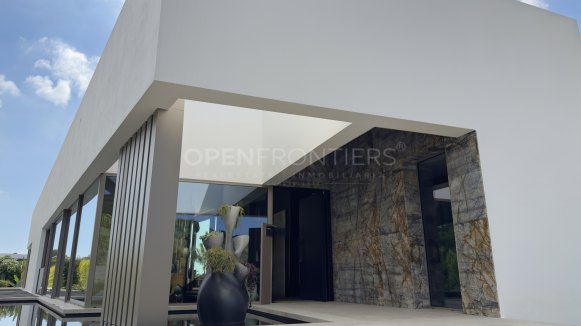
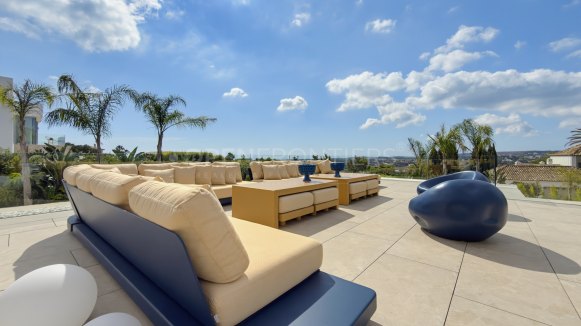
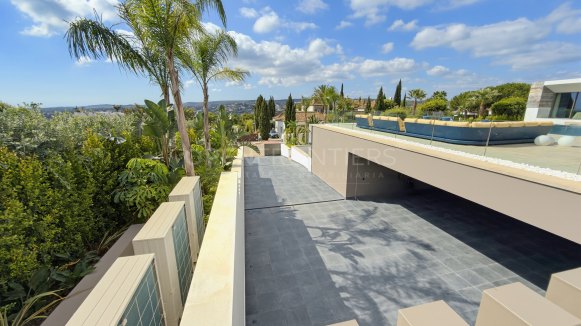
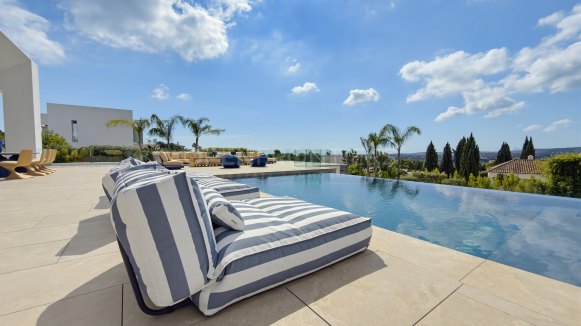
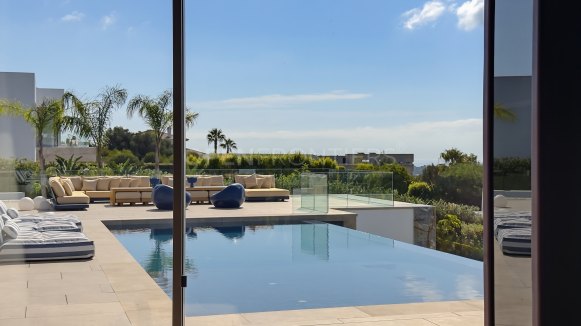
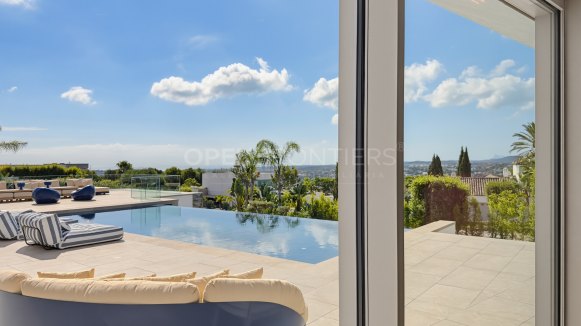
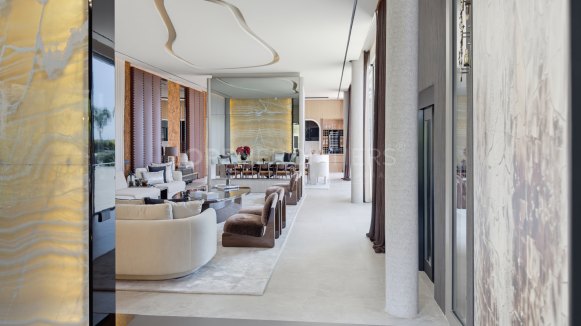
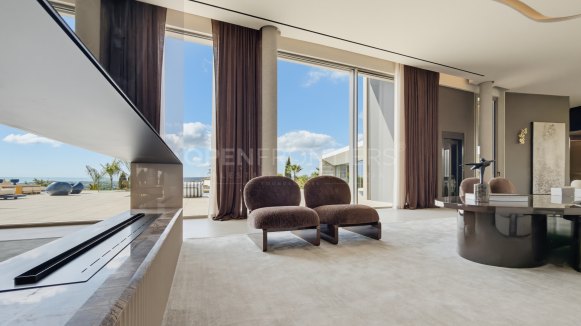
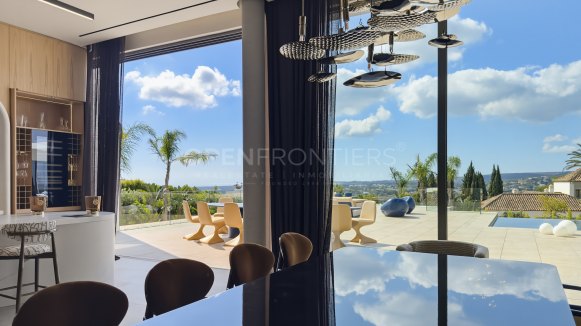
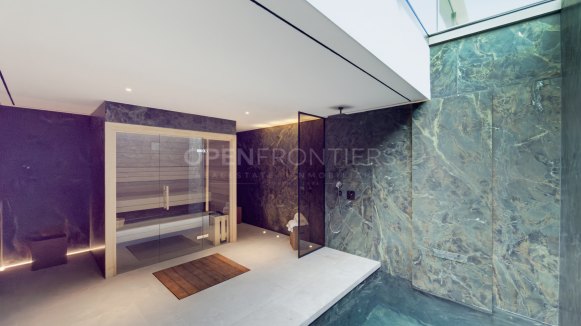
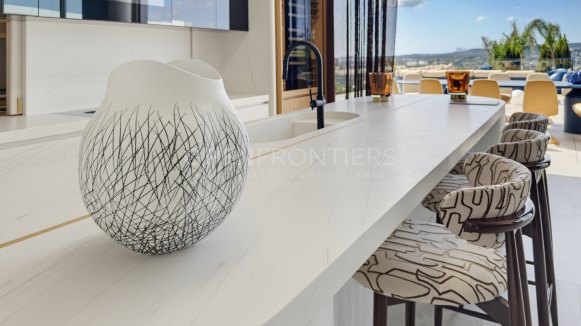
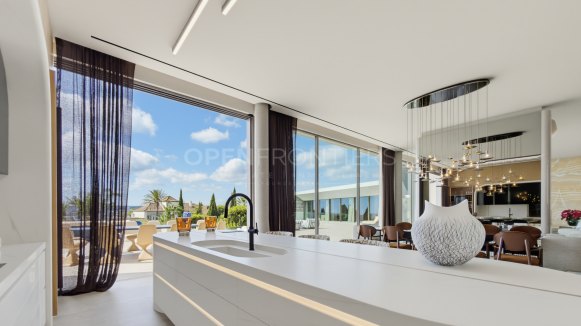
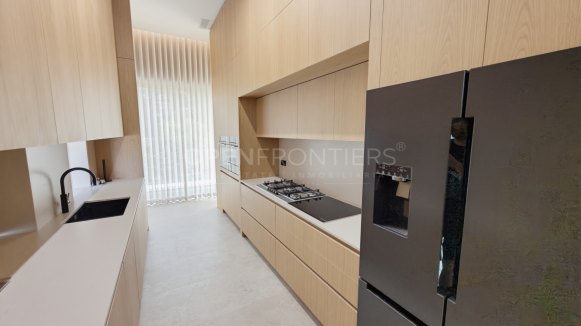
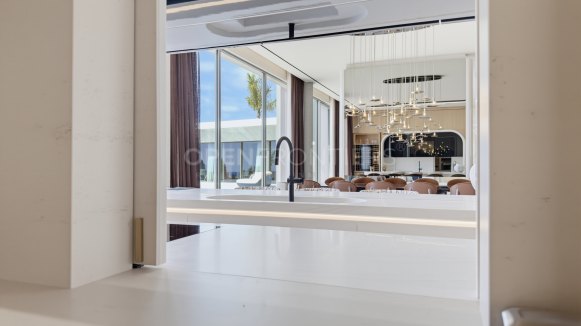
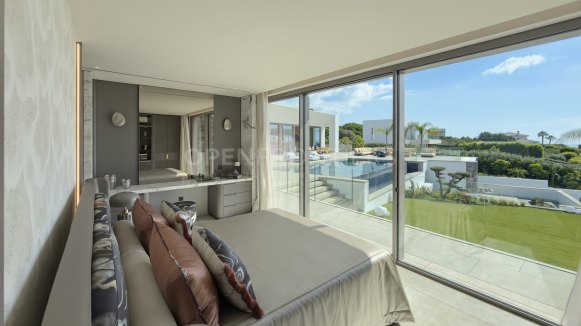
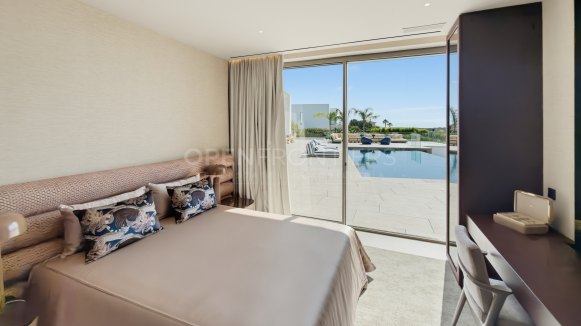
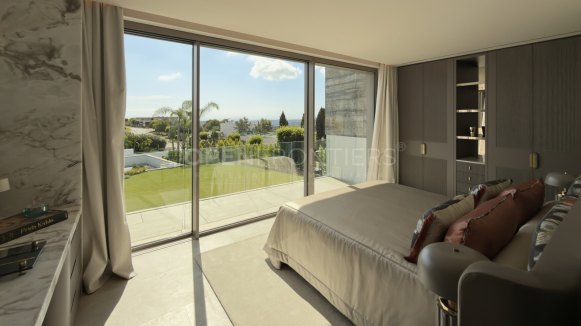
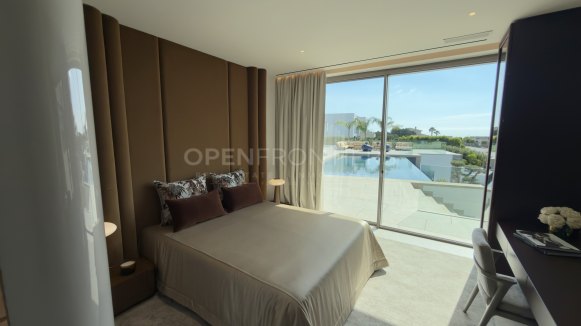
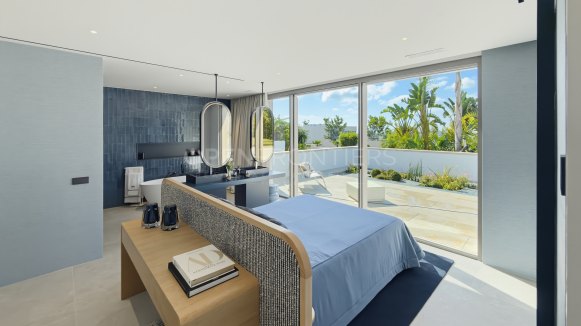
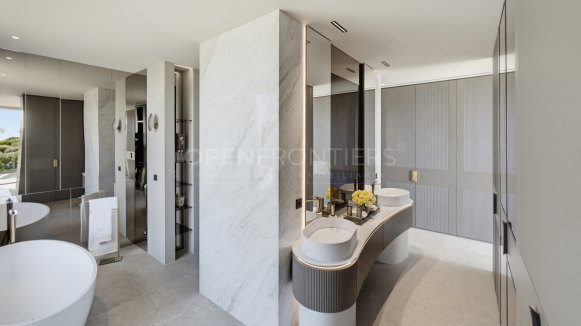
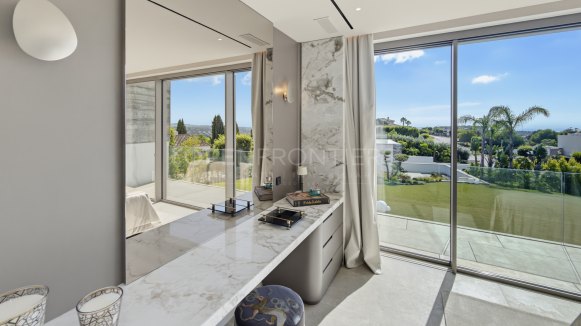
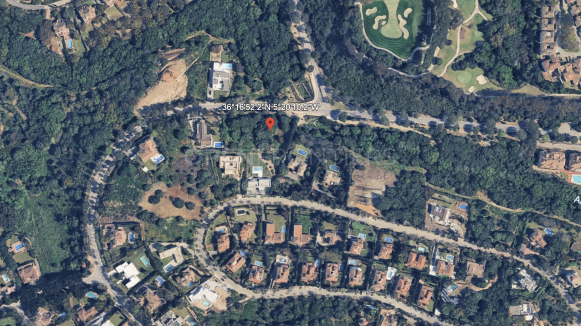
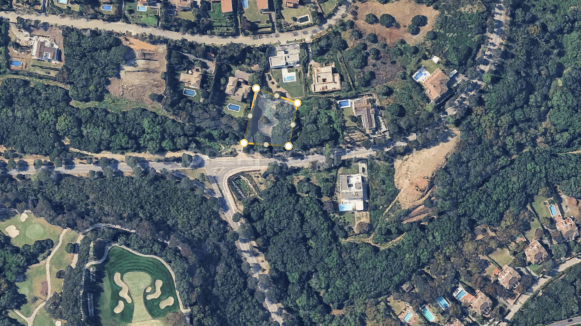
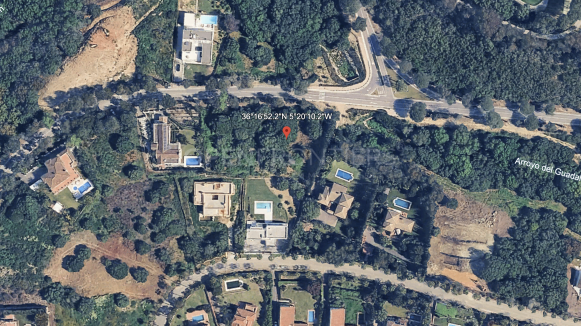
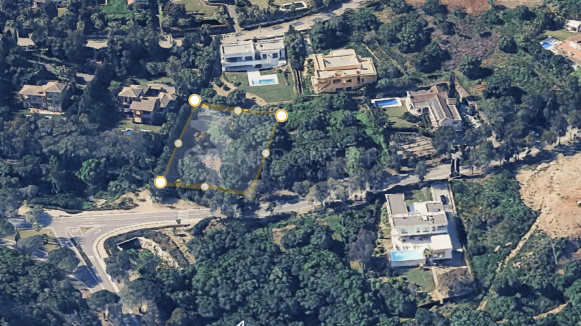
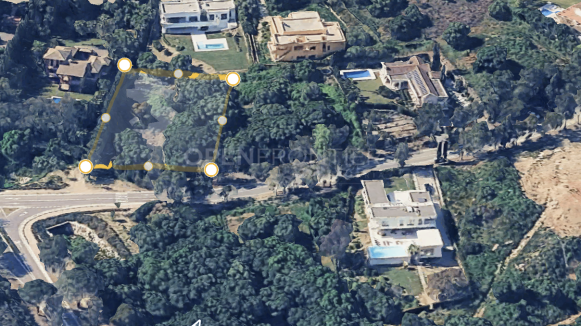
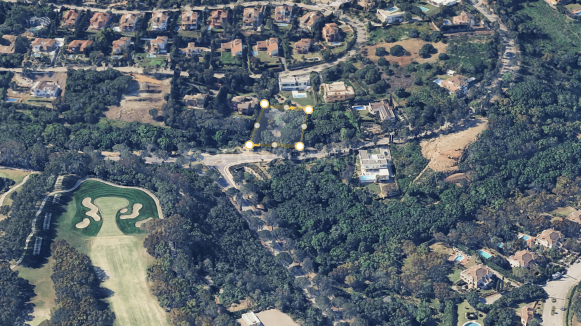
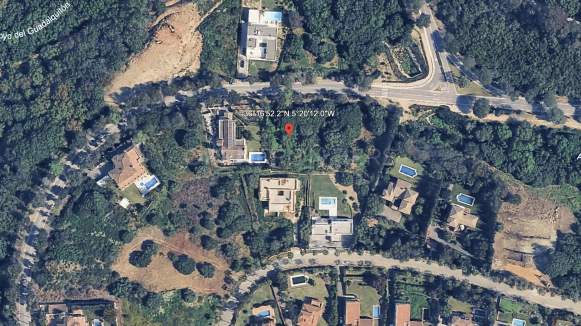
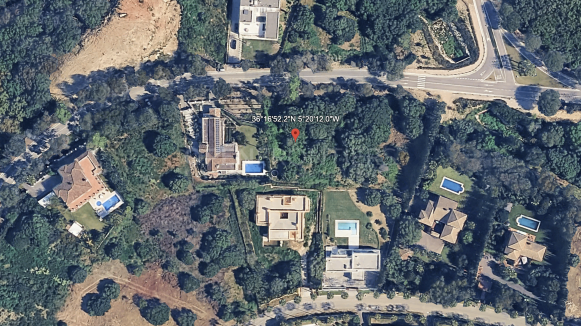
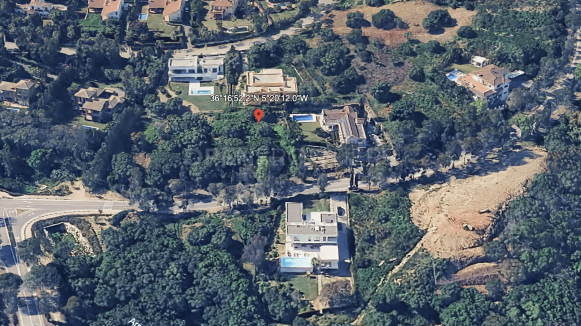
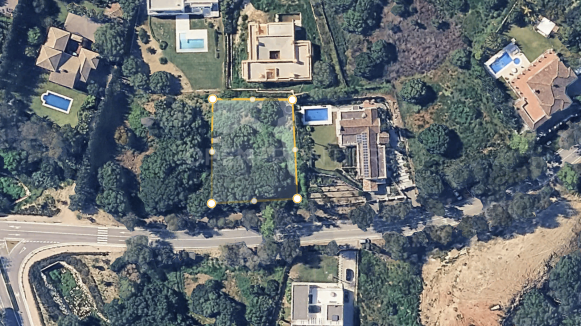
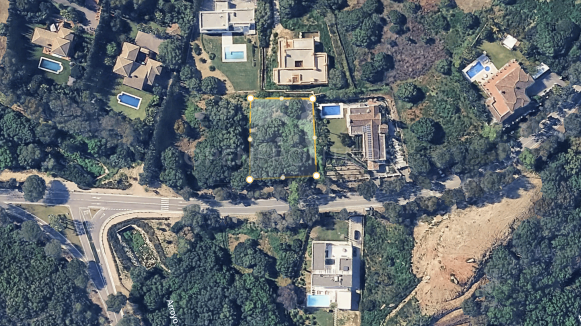
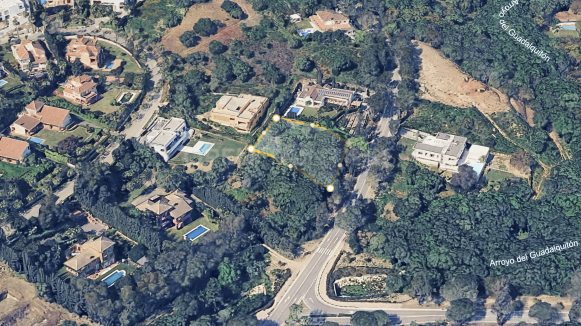
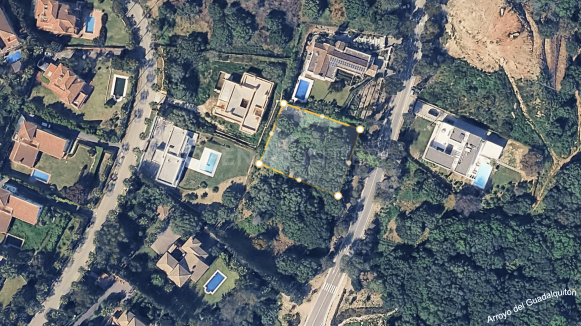
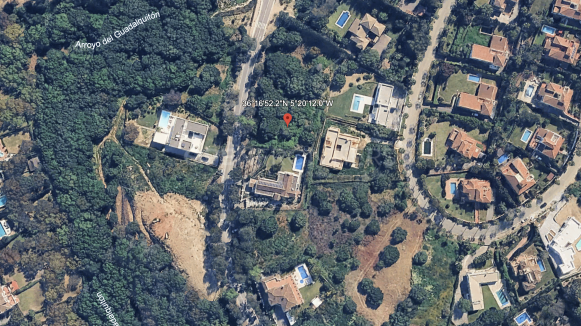
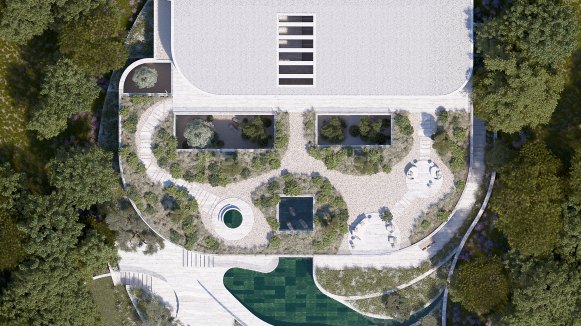
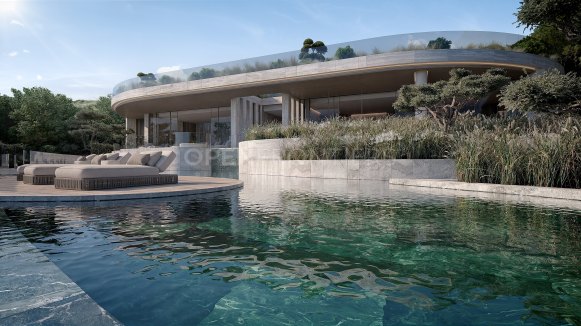
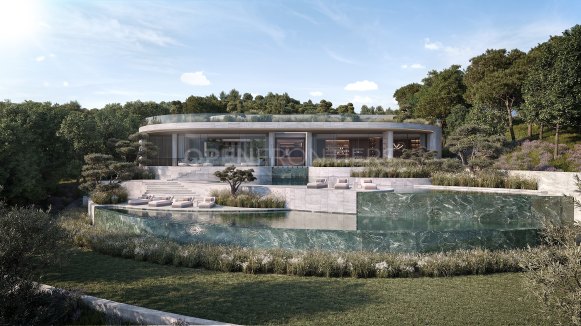
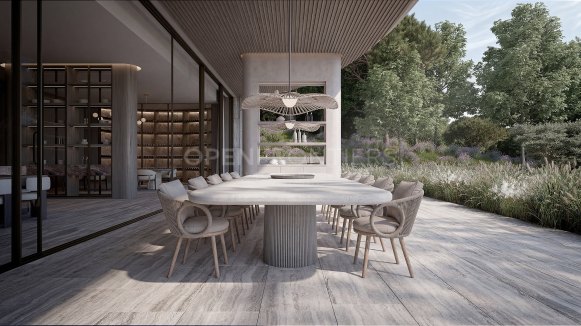
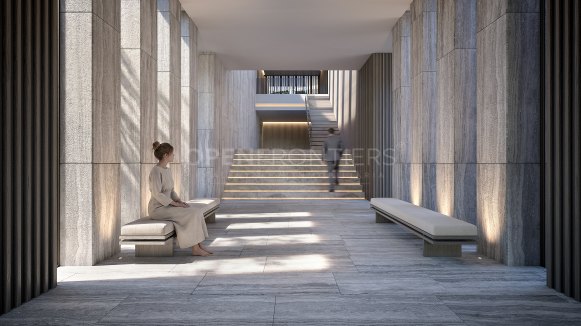
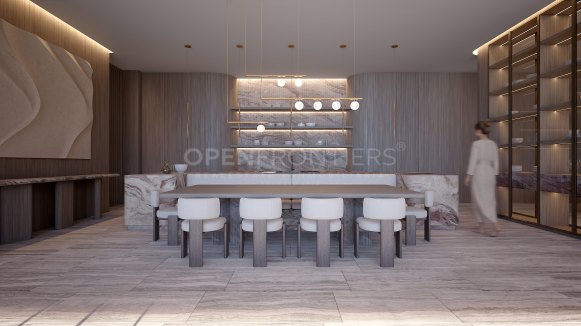
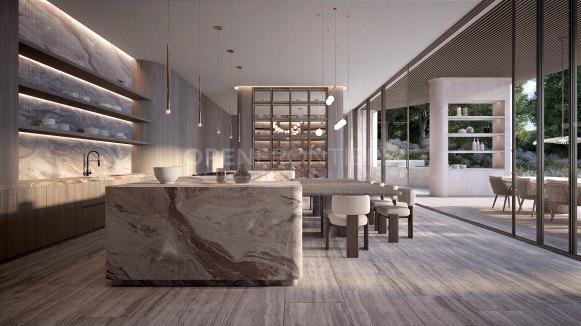
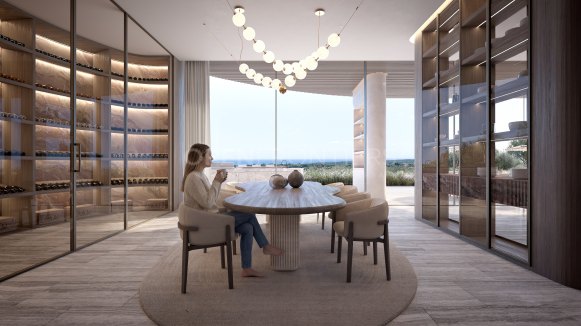
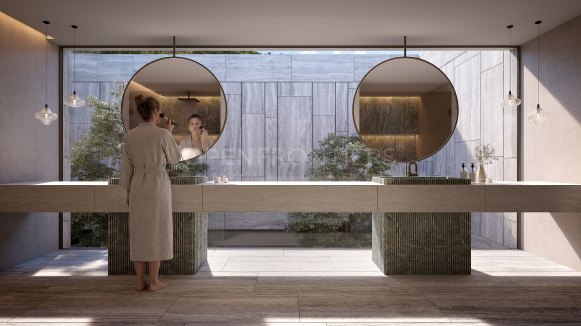
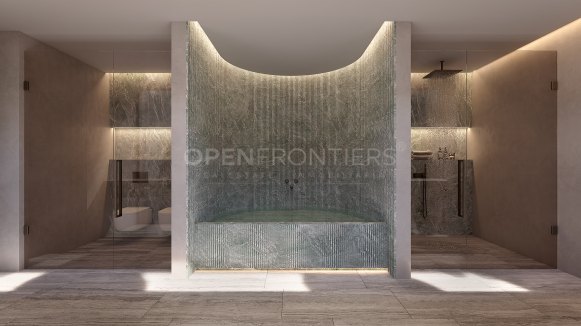
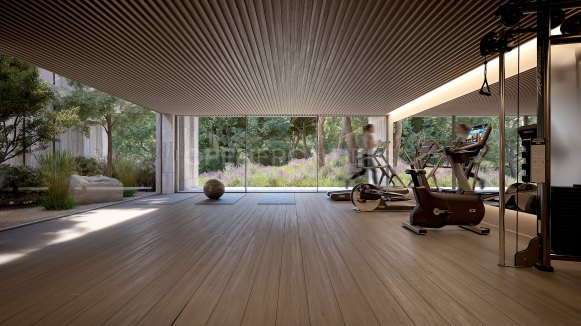
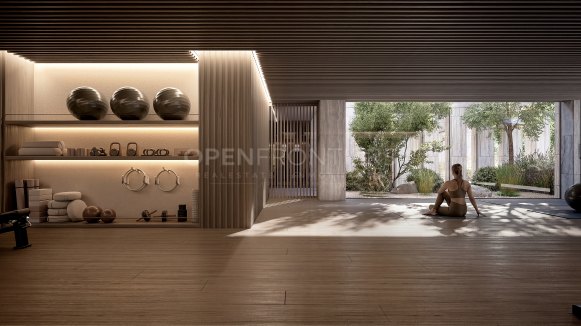
Three villas in La Gran Reserva (The Fifteen and The Seven), a gated enclave of just twenty-two residences within La Reserva de Sotogrande, illustrate the gap concretely. All three are genuine transactions, agreed and priced within the window this data covers.
- Villa Niwa — sold for €23,750,000, on approximately 4,300m² built. Independently confirmed by multiple Spanish and international outlets as Sotogrande’s record sale to date.
- Villa Sense — sold for €14,000,000, on 2,482.7m² built.
- Villa Vida — sold for €12,500,000, on 2,300m² built.
None of these three will appear in official data for a year or more, once construction and paperwork clear. Niwa may never appear at all — at over €15M, it sits permanently outside the Notariado’s own reporting threshold.
How Additional High-Value Transactions Change the Sotogrande Market Picture
Official transaction data provides an important baseline, but in a low-volume luxury market such as Sotogrande, a small number of high-value transactions can materially change the overall picture. The table below shows how the figures change when Niwa, Sense and Vida are included.
| Metric | Official (as reported) | With Niwa, Sense and Vida included | Change |
|---|---|---|---|
| Transactions | 196 | 199 | +3 |
| Total transacted value | ≈€148.8M | ≈€199.1M | +33.8% |
| Average price per sale | €759,367 | €1,000,432 | +31.7% |
| Average price/m² | €3,043/m² | €3,428/m² | +12.6% |
| Annual price change | -4.54% | ≈+7.5%+ | Minimum 12.1 percentage-point swing |
Three transactions turn an official decline into a swing toward growth. That’s not a rounding effect. In a market this size, it’s the whole trend line — and it’s built entirely from sales we can point to and name.
Why This Cuts Deeper in Sotogrande Than Almost Anywhere Else
The same lag applies to every prime enclave in Spain, not just Sotogrande. But the effect scales with volume, and volume is exactly where Sotogrande stands apart.
La Zagaleta and the Golden Mile, two enclaves regularly compared to Sotogrande, each recorded over 600 transactions in the same twelve months. Three delayed sales dropped into a market that size barely move the decimal point. Dropped into a market recording 196 sales, the same three transactions rewrite the entire annual story.
Low liquidity isn’t a flaw in Sotogrande’s market. It’s the reason its official data needs to be read with more care than almost any other property market in Spain.
What This Number Is, and What It Isn’t
This is a hypothetical recalculation, built from real inputs, not a corrected or restated official statistic. Registradores and the Notariado haven’t made an error — their methodology does exactly what it was designed to do, which is measure completed, notarized transactions at national scale, consistently, across every market in Spain.
What this model shows is a floor, not a ceiling. Three publicly confirmed sales are enough to swing the annual trend by over 12 points. Sotogrande also sees transactions structured through company sales, where a holding entity changes hands rather than the property title itself — those sales never enter notarial data at all, publicly or otherwise, and we have no way to quantify how many occurred this year. The real gap between official data and market reality is very likely larger than 7.5%. It just isn’t provable beyond what’s shown here.
Frequently Asked Questions
Is Sotogrande’s property market actually declining?
No. The official annual figure shows a 4.54% decline, but three fully public 2025 transactions alone are enough to flip that into growth of at least 7.5% — and that’s only counting the sales we can verify.
Why don’t villa sales like Niwa show up in official data?
Spain’s notarial statistics only record a sale once it’s signed before a notary, which can lag the actual agreement by a year or more for new-build villas. Sales above €15 million are excluded from every average regardless of timing.
Could the real number be higher than 7.5%?
Very likely. This model only includes sales we can independently confirm. Sotogrande also sees transactions structured through company ownership changes, which never enter notarial data at all — publicly or otherwise — and those aren’t reflected in this figure.
Sources & Methodology
Official baseline figures are drawn from the Consejo General del Notariado’s Portal Estadístico, postcode-level data for 11310, and from the Registradores de España’s Estadística Registral Inmobiliaria for provincial-level Cádiz figures, both pulled 07/08/26. Villa Niwa’s sale price is independently confirmed by multiple Spanish and international outlets; its built area reflects the figure used in that reporting. Villa Sense and Villa Vida figures are drawn directly from Open Frontiers’ own listing and transaction records. The recalculated scenario is an illustrative model built from these real inputs — it is not a restated or corrected official statistic.
This piece builds on Sotogrande Property Market Q2 2026: Why the Official Data Is Wrong, which sets out the full three-part case for why standard measurement tools understate ultra-prime, low-liquidity markets like Sotogrande.
If you’re exploring what’s currently available in La Reserva, you can browse our listings here.